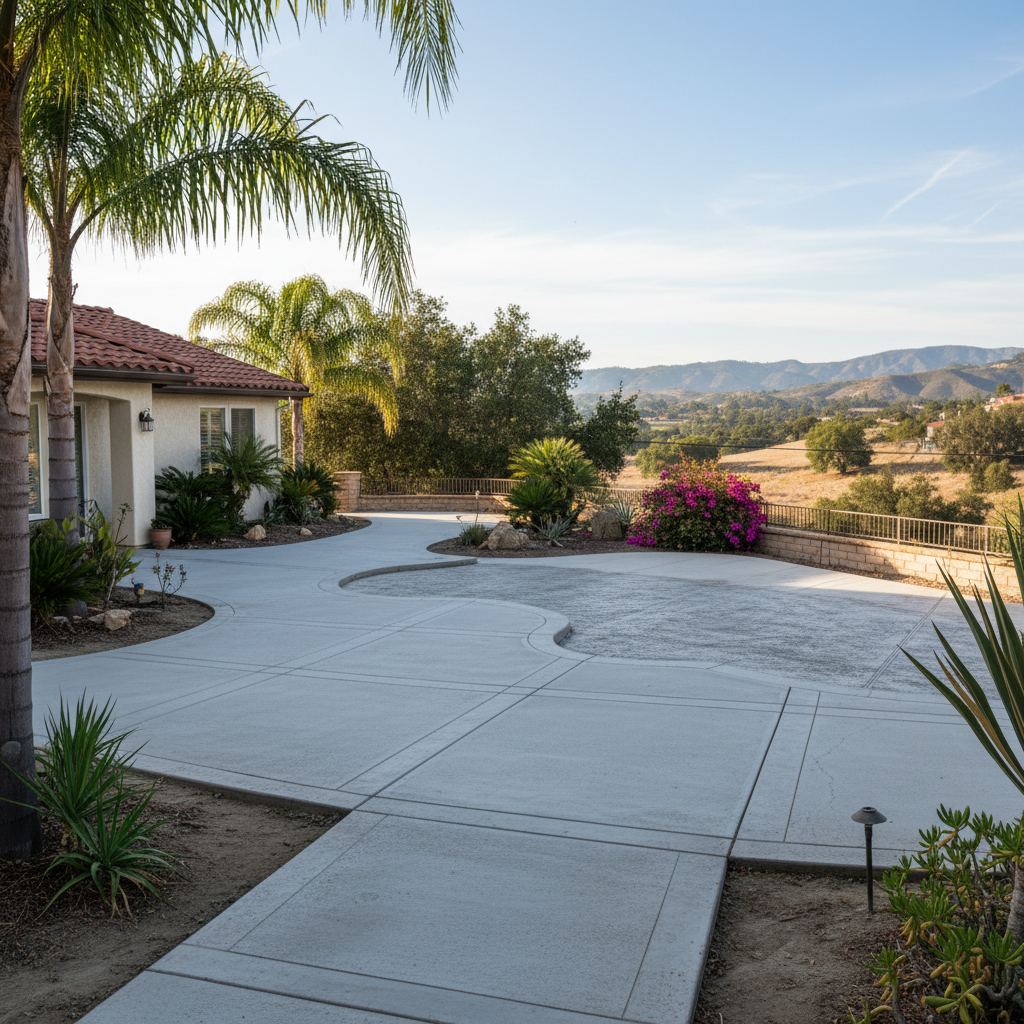
So, you've got some concrete that's seen better days. Maybe it's a cracked driveway, a crumbling patio, or a walkway that's just not safe anymore. Fixing it right isn't just about pouring new concrete; it's a project that needs a real plan. As someone who's been doing this for years here in Santa Barbara, I can tell you that a little foresight goes a long way. Let's talk about what you need to know to get your concrete repair project done without a hitch.
Setting Your Project Timeline
First off, let's talk timing. Concrete work isn't an instant gratification kind of deal. From your first call to the final cure, you're looking at a few weeks, sometimes more, depending on how big the job is and if your chosen contractor is busy. Here's a rough breakdown:
- Initial Contact & Estimate (1-2 weeks): You'll call a few contractors, schedule site visits, and get bids. Good contractors are busy, especially during peak seasons here in Santa Barbara when everyone's thinking about outdoor projects. Don't expect someone to show up tomorrow.
- Permits (2-4 weeks, or even longer): For bigger repairs, particularly if you're changing drainage or making existing slabs larger, you might need a permit from the city or county. This isn't always the case for simple crack repairs. But if you're replacing a large section of driveway or adding a new pad, it's very likely. Your contractor should handle this, but it definitely adds time to the schedule.
- Scheduling & Prep (1-2 weeks): Once you've picked a contractor and permits are in hand, you'll get on their schedule. They'll need time to order materials, get their equipment ready, and line up their crew.
- Construction (1 day to 1 week+): The actual work itself varies wildly. A small patch might take a day. A full driveway replacement, though, could mean several days of demolition, grading, pouring, and finishing.
- Curing (3-7 days before light use, 28 days for full strength): This is the part people often forget. Concrete needs to cure properly. You can usually walk on it after a day or two, but driving vehicles on it too soon? That's a big no-no. We'll tell you exactly when it's safe for what.
So, from start to finish, you're probably looking at a minimum of 4-6 weeks for a moderate project. And it could easily be 8-12 weeks if permits are involved and contractors are booked out. Plan accordingly, especially if you have an event or deadline coming up.
What to Expect During the Process
When the crew from Santa Barbara Concrete Contractors (or whoever you choose) shows up, here's what typically happens:
- Demolition: If your repair needs us to remove old concrete, expect noise, dust, and debris. We'll protect nearby landscaping as best we can, but it is a construction site, after all.
- Grading & Base Prep: This step is crucial. We'll make sure the ground underneath is properly compacted and sloped for good drainage. In areas like the Riviera, where we sometimes deal with hillside properties, proper grading prevents future issues.
- Formwork: We'll set up wooden or metal forms to define the edges of your new concrete.
- Pouring & Finishing: The concrete truck arrives, and the crew gets to work pouring and then carefully finishing the surface. This is where the skill really shows, getting that smooth, even finish.
- Cleanup: We'll clean up the site, remove forms, and haul away debris.
You'll want to stay off the fresh concrete as instructed. We'll give you clear guidance on when it's safe for foot traffic and vehicles.
How to Prepare Your Property
Before the crew arrives, do yourself and them a favor:
- Clear the Area: Move any outdoor furniture, potted plants, grills, or anything else that's in or near the work zone.
- Trim Landscaping: If bushes or tree branches are hanging over the work area, trim them back. It makes access easier and prevents damage.
- Secure Pets & Kids: Construction sites aren't safe for curious pets or children. Keep them well away from the work.
- Access: Make sure there's a clear path for trucks and equipment to get to the work area.
- Water & Power: We might need access to an outdoor spigot and an electrical outlet for tools.
Questions to Ask Before Signing a Contract
Don't just sign the first thing put in front of you. Ask these questions: