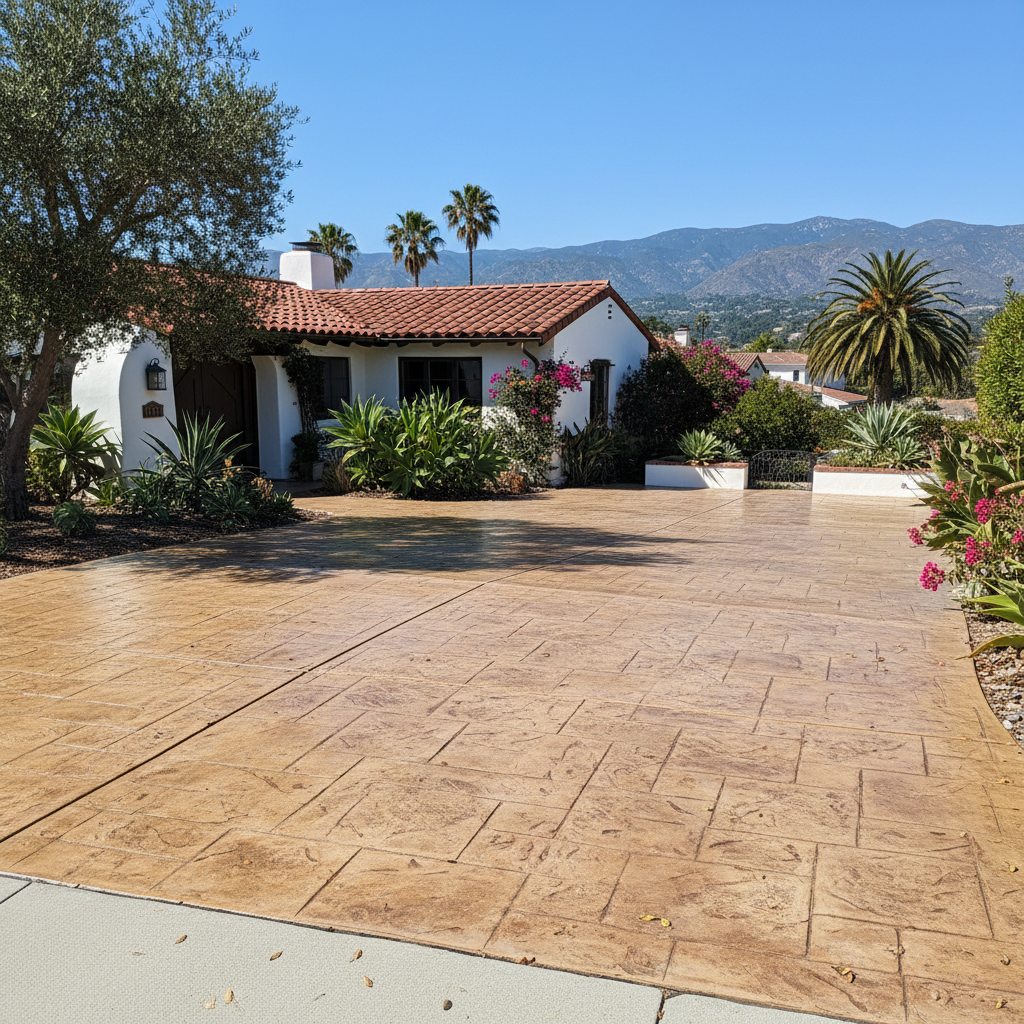
So, you've got some really nice stamped concrete around your place, right? Maybe it's a patio, a walkway, or even your driveway. It adds so much curb appeal and honestly, it just pulls the whole look of your home together, doesn't it? But like anything good, it needs a little TLC to stay that way. Ignore it, and that vibrant finish will fade, and the surface will wear down way quicker than you'd like. The good news is, keeping your stamped concrete looking sharp isn't brain surgery, but it does mean being a bit consistent. And here in Santa Barbara, with our unique climate, there are a few specific things you really ought to pay attention to.
Making Your Stamped Concrete Last Longer
The single most important thing you can do to make your stamped concrete last is to seal it properly. Think of the sealer like the clear coat on your car – it protects the color, stops stains, and keeps the surface from falling apart. For our coastal environment, where we get plenty of sun and that salty air, I usually tell folks to re-seal every 2-3 years. If your stamped concrete sees a lot of foot traffic, or if it's a driveway, you might even want to do it every year. You'll know it's time when water stops beading up on the surface and starts soaking right in. Don't wait until it looks dull and faded; by then, you're already losing that crucial protection.
Keeping it clean is another big one. Dirt, leaves, and other debris can trap moisture and really encourage mildew to grow, especially in shady spots. Over time, this can actually break down the sealer and even stain the concrete itself. A quick sweep and an occasional wash really make a difference.
Regular Upkeep: What You Need to Do
Let's go through the routine maintenance, step by step:
- Sweeping: A quick sweep once a week, or whenever it looks messy, gets rid of loose dirt, leaves, and other junk. This stops things from getting ground into the surface.
- Washing: Every few months, give it a good wash. You don't need anything fancy for this. A garden hose with a spray nozzle and a stiff-bristle brush (definitely not wire!) usually does the trick. For those tougher spots, a mild detergent like dish soap mixed with water works wonders. Just remember to rinse everything really well.
- Pressure Washing (Be Careful!): If you've got some really stubborn grime, a pressure washer can be helpful, but you have to be super careful. Use a wide fan tip (40-degree or wider) and keep that nozzle moving. Don't get too close to the surface, and whatever you do, don't use a zero-degree tip. You can strip the sealer right off or even damage the concrete itself if you're not paying attention. I've seen it happen, believe me.
- Stain Removal: Deal with spills right away. Oil, grease, rust, or even a splash of wine can leave a permanent mark if you don't clean it up fast. For oil, kitty litter or absorbent shop towels can soak up a fresh spill. For those tougher stains, there are specific concrete cleaners out there, but always test them in a hidden spot first.
- Weed Control: Weeds just love to sprout in cracks and expansion joints. Pull them out as soon as you spot them. If you let them grow, their roots can widen cracks and cause even more damage over time.
Signs of Trouble to Watch For
Your stamped concrete will definitely let you know when it's not doing so hot. Here are some things to keep an eye on:
- Fading Color: If the color looks duller than it used to, or you notice the shade is inconsistent, your sealer is probably failing. This means the concrete itself is getting hit by UV rays and wear.
- Pitting or Spalling: These are those small holes or flaking spots on the surface. Freeze-thaw cycles can cause this (not a huge deal here in Santa Barbara, but it can happen during rare cold snaps), as can de-icing salts (which you should never use on concrete anyway), or just general surface wear from lack of protection.
- Cracks: Hairline cracks are pretty common in concrete and usually not a big deal. But if you see cracks getting wider, or if they come with uneven settling, that's a definite red flag.
- Uneven Surface: If parts of your stamped concrete are sinking or lifting, you've got a sub-base problem. This is more serious and absolutely needs professional help.
- Excessive Slipperyness: If your sealed concrete gets unusually slippery when wet, it might be due to mildew building up or the sealer not being applied correctly.
When It's Time to Call a Professional
Look, you can handle a lot of the regular maintenance yourself. But there are times when it's just smarter to bring in the pros. If you're seeing significant cracking, large areas of spalling, or uneven settlement, that's way beyond a DIY fix. If you've tried cleaning a stubborn stain and it's just not coming out, or if you're not sure about re-sealing and want to be certain it's done right, give us a call. Putting on sealer correctly is an art; you want an even coat, no puddles, and the right product for our specific conditions. Here at Santa Barbara Concrete Contractors, we've seen it all, from sun-baked patios in Montecito to damp walkways in the foothills. We know what works and what doesn't for our local climate and soil conditions. Don't hesitate to reach out if you're unsure. A little professional help now can save you a lot of headaches – and money – down the road.