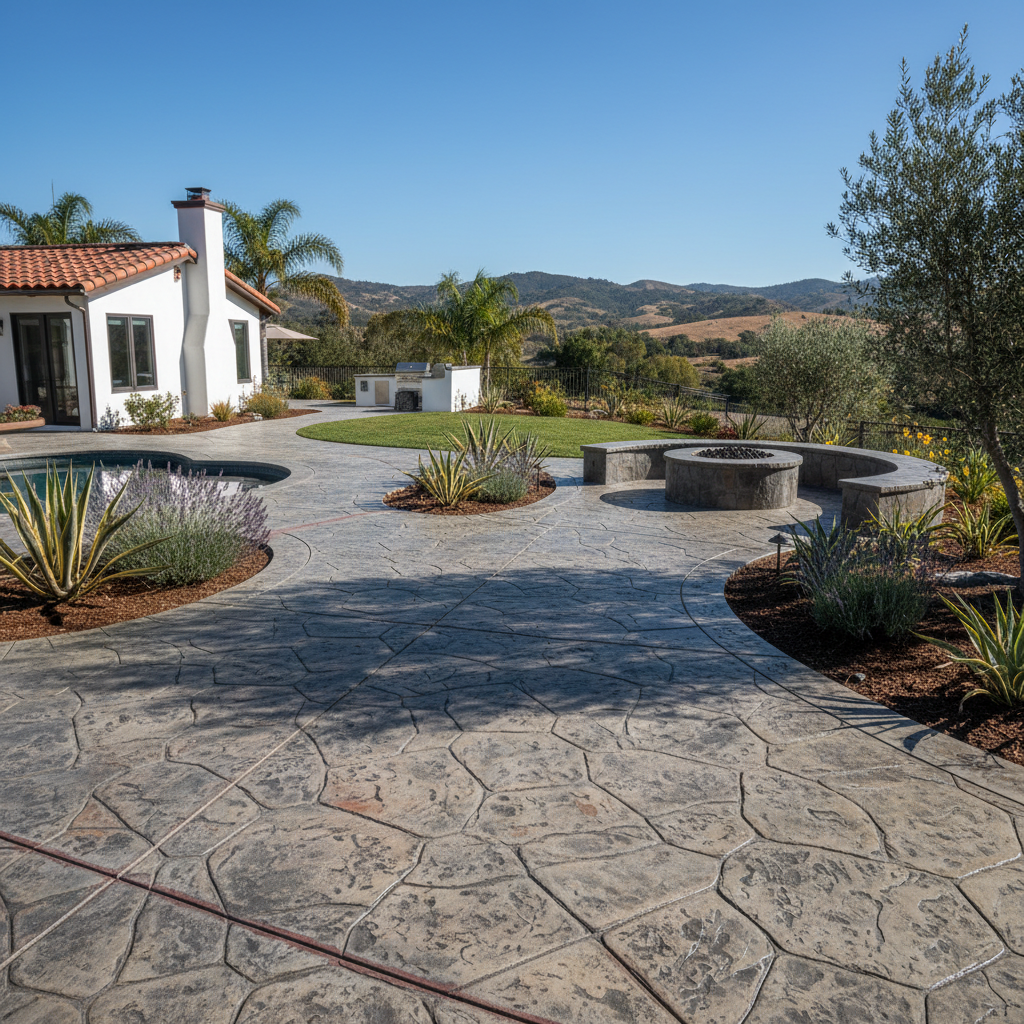
So, you're dreaming of a beautiful new stamped concrete patio, driveway, or walkway for your Santa Barbara home? That's a great choice, really. Stamped concrete adds a ton of curb appeal and can truly transform an outdoor space. But before you jump in, you need a solid plan. I've been doing this for years here at Santa Barbara Concrete Contractors, and trust me, I've seen it all. Here’s what you need to know to make your project go smoothly.
Figuring Out Your Stamped Concrete Project Timeline
Let's talk timing. A stamped concrete project isn't an overnight thing, and trying to rush it usually just leads to problems. Generally, you're looking at a few key phases:
- Initial Chat & Design (1-3 weeks): This is when you'll meet with contractors, get bids, and nail down your design, colors, and patterns. Don't skip this step! A good contractor will spend time really understanding what you're looking for.
- Getting Permits (2-6 weeks, or even more): Depending on how big or complex your project is, you might need permits from the city or county. A new driveway or a large patio often requires them. Your contractor should handle this, but it definitely adds time to the schedule.
- Ordering Materials & Scheduling (1-2 weeks): Once plans get approved, we need to order materials. Concrete isn't always just sitting in a warehouse, especially if you're going for a specific mix or color.
- Site Prep & Pour (3-7 days): This is the active construction phase. It involves digging, leveling, setting forms, laying rebar or mesh, pouring the concrete, stamping it, and then letting it cure. This is where the magic happens, but it's also the most weather-dependent part of the job.
- Curing & Sealing (7-30 days): Concrete needs time to cure properly so it can reach its full strength. You typically can't drive on it for at least a week, and sometimes longer for heavier vehicles. Sealing usually happens after that initial cure, protecting your new surface.
All in all, from that first phone call to the final seal, a typical stamped concrete project can take anywhere from 6 to 12 weeks. Sometimes even more, especially if there are complex designs or permit delays. Planning ahead is absolutely key, particularly if you want it finished by a certain season.
What to Expect During the Project
Once you've picked your contractor and the project is underway, here's a general rundown of what you'll see happening:
- Demolition & Digging: If you've got an existing surface, we'll break it up and haul it away. Then, the crew will dig out the area to the correct depth, making sure water will drain properly. This part can be noisy and dusty, just a heads-up.
- Grading & Base Prep: The ground gets leveled and compacted. A good, solid base is super important for preventing cracks down the line. Sometimes, we'll add gravel and compact that too.
- Formwork & Reinforcement: Wooden or metal forms will be set up to create the shape of your concrete slab. Rebar or wire mesh gets laid down inside to add strength and help prevent cracking.
- Pouring & Stamping: The concrete truck arrives, and the concrete is poured, leveled, and smoothed. This is a fast-paced part of the job! Then, the crew applies release agents and uses large mats to press the pattern into the wet concrete. This is where the artistry really comes in.
- Curing & Washing: After the concrete sets, it needs to cure. This means keeping it moist, often by spraying it with water or using curing compounds. After a few days, we'll wash the surface to remove the release agent, which reveals the true color and pattern.
- Sealing: Once the concrete is fully cured and dry, we apply a sealer. This protects the surface from stains, weather, and wear, and often makes the color pop even more.
Expect some disruption to your yard and daily routine. There will be equipment, materials, and people coming and going. We try to be as tidy as possible, but hey, it's a construction site, right?
How to Get Your Home and Property Ready
You can do a few things to make the process smoother for everyone involved:
- Clear the Area: Move any outdoor furniture, potted plants, grills, or anything else out of the work zone. If we're doing a driveway, make sure your cars are parked elsewhere.
- Protect Landscaping: While we take precautions, it's a good idea to cover delicate plants or shrubs near the work area with tarps.
- Access: Make sure there's clear access for trucks and equipment. If you have a narrow side yard, like many homes in the Mesa or Riviera neighborhoods, let your contractor know upfront so they can plan accordingly.
- Utilities: Mark any underground sprinkler lines, electrical conduits, or gas lines if you know where they are. Your contractor will typically call for utility locates (811), but any extra information from you is always helpful.
- Communication: Keep those lines of communication open with your contractor. If you have questions or concerns, just ask them.
Key Questions to Ask Before Signing a Contract
Don't just sign the first estimate you get. Ask these questions:
- Are you licensed and insured in California? This is non-negotiable. Ask for proof, seriously.
- Can I see examples of your stamped concrete work? Look at their portfolio. Do they have experience with the patterns and colors you like?
- Can you provide references? Talk to past clients. Ask about their experience with the contractor's communication, timeliness, and quality of work.
- What's included in the estimate? Get a breakdown of everything: excavation, materials, labor, permits, sealing, cleanup. Are there any hidden costs lurking?
- What's your payment schedule? A reputable contractor won't ask for 100% upfront. Typically, it's a deposit, progress payments, and a final payment once everything's done.
- How do you handle changes or unforeseen issues? Things can come up, that's just how it is. How will they communicate and charge for any changes?
- What kind of warranty do you offer on your work? A good contractor stands behind their craftsmanship.
- How long will the project realistically take? Get a clear timeline, and ask about potential delays due to weather or material availability.
- What type of concrete mix will you use, and what's the PSI? For driveways, you definitely want a higher PSI (pounds per square inch) for durability.
- What's the process for sealing and ongoing maintenance? They should explain how to care for your new stamped concrete to keep it looking great for years.
Asking these questions will help you find a reliable contractor and ensure you're getting a quality job. A stamped concrete project is an investment in your home, and you want it done right. Take your time, do your homework, and you'll end up with a beautiful, durable surface you'll enjoy for years.