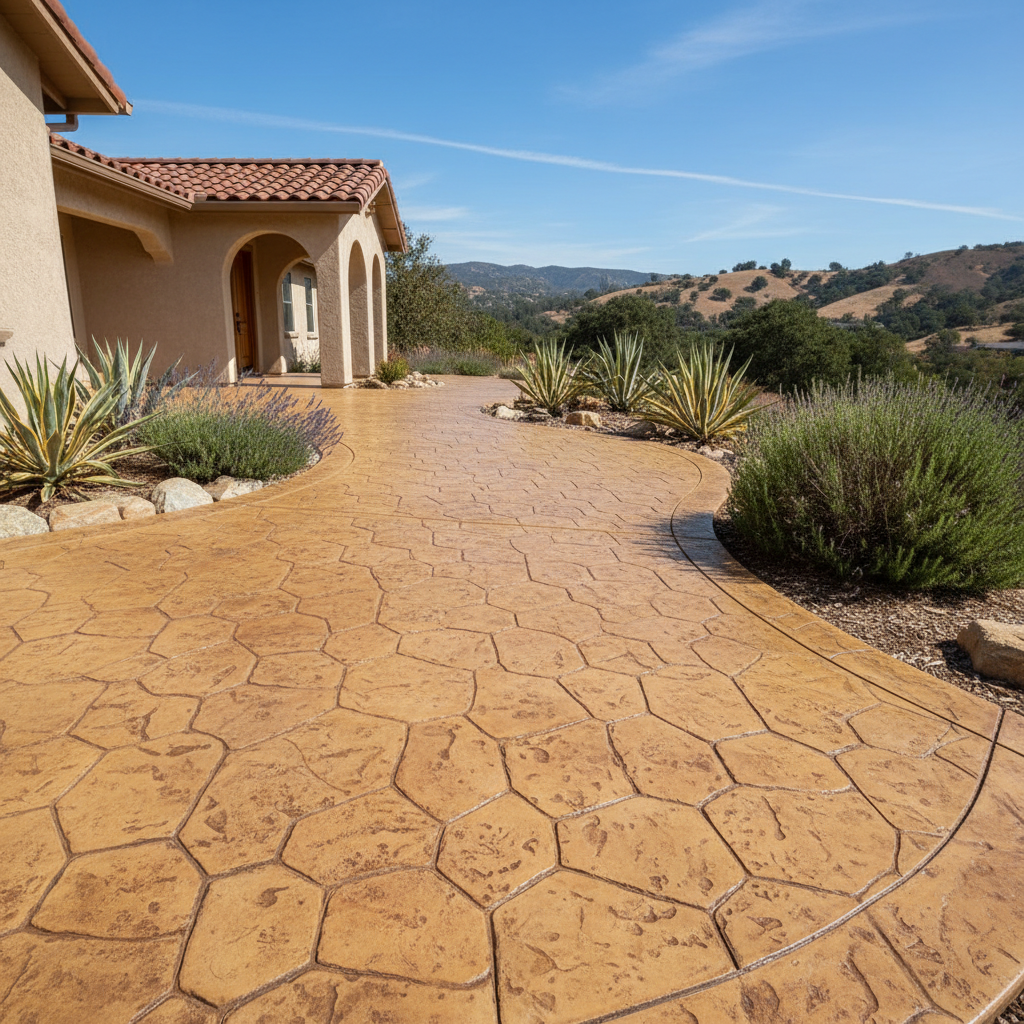
So, you've got some gorgeous stamped concrete, whether it's a patio, driveway, or walkway. It really does add a ton of curb appeal and ties a property together beautifully. But here's the deal, and it's an important one: it's not a 'set it and forget it' kind of thing. To truly extend its life and keep it looking as good as the day it was poured, you've got to put in a little effort. Think of it like maintaining a nice car; a bit of regular care goes a long, long way.
Making Your Stamped Concrete Last Longer
The absolute biggest thing you can do to protect your stamped concrete is proper sealing. I honestly can't stress this enough. A good quality sealer protects against UV rays, moisture, stains, and abrasion. Here in Santa Barbara, for instance, we get plenty of sun, which can fade colors over time if they're not protected. We also get those heavy, short rain bursts in winter, and that moisture can really penetrate unsealed or poorly sealed concrete, leading to bigger issues down the road. You should plan on resealing every 2-3 years, sometimes more often for high-traffic areas like driveways, or if you notice water isn't beading up on the surface anymore. It's a relatively inexpensive process compared to replacing the concrete entirely, and it's truly your best defense.
Keeping it clean is another key step. Dirt, leaves, and debris can hold moisture against the surface, and if left for too long, they can lead to staining or even start to degrade the sealer. Simple sweeping and occasional washing are your friends here. Just avoid harsh chemicals when cleaning; they can strip the sealer right off. A mild detergent and a soft brush are usually all you need, believe it or not.
What Regular Maintenance Actually Looks Like
Regular maintenance for stamped concrete isn't complicated at all, but it does need to be consistent. First off, sweep it regularly. If you've got a lot of trees dropping leaves or pollen, do it more often. We've got plenty of eucalyptus and sycamore trees around here, and their debris can be particularly stubborn if left to sit.
Next, give it a good wash every few months. A garden hose with a spray nozzle is usually sufficient for most things. For tougher spots, sure, a pressure washer can be used, but be careful. You want to use a wide fan tip and keep the pressure moderate. Too high, and you can damage the sealer or even the concrete surface itself. I've seen folks blast off their sealer or even etch the surface because they got too aggressive with the pressure washer. Don't be that person, okay?
Clean up spills immediately. Oil, grease, paint, or anything else that can stain should be blotted up as soon as possible. The longer it sits, the harder it is to remove, especially on lighter colored concrete. If you do get a tough stain, there are specific concrete cleaners designed for different types of stains. Just make sure they're compatible with your sealer — that's important.
Warning Signs of Problems
How do you know if your stamped concrete needs more than just routine care? Keep an eye out for these red flags:
- Fading Color: If your vibrant color is starting to look dull or washed out, especially in areas exposed to direct sunlight, your sealer is likely failing, and the UV rays are getting to the pigment. Time to reseal!
- Water Penetration: When it rains or you wash the surface, does the water soak in instead of beading up? This is a clear sign your sealer is gone or severely compromised. Get it resealed before moisture causes bigger issues.
- Surface Flaking or Peeling: This usually points to a bad sealer application, using the wrong type of sealer, or moisture getting trapped underneath. This really needs professional attention to prevent further damage.
- Cracks: While some hairline cracks are normal in concrete over time, especially with our expansive clay soils in areas like Goleta or the foothills, larger or spreading cracks are a concern. If you see cracks growing or shifting, it's not just a cosmetic issue anymore.
- Discoloration or Stains that Won't Budge: If you've tried cleaning and a stain just won't come out, it might have penetrated deep into the concrete. Sometimes, this can be addressed with specialized cleaning or even re-staining, but it's often a sign of a deeper issue or lack of proper sealing.
When to Call a Professional
Look, a lot of the basic maintenance you can handle yourself. But there are times when you really need to call in the pros. If you see any of those warning signs I just mentioned, especially flaking, significant cracking, or persistent moisture issues, don't try to DIY a fix unless you know exactly what you're doing. You could make it worse and end up with a much more expensive repair.
Also, if you're due for a reseal and you're not comfortable doing it yourself, or if it's a large, complex area, it's definitely worth hiring someone. A professional like Santa Barbara Concrete Contractors will know exactly what type of sealer to use for your specific concrete and the local climate, how to properly prepare the surface, and how to apply it evenly for the best protection and appearance. We've seen it all, from sun-baked patios in Montecito to damp walkways near the beach, and we know how to get the job done right. Don't wait until a small problem turns into a major headache. A little proactive help can save you a lot of money and stress in the long run.